Cleaning Sandstone in Sydney: Gentle Methods That Work
Sandstone is a defining architectural feature throughout Sydney, particularly across the Sutherland Shire. From heritage retaining walls in Cronulla to https://keeganlizq371.opalvector.com/posts/what-is-efflorescence-and-how-do-you-pressure-clean-it pool surrounds in Burraneer and garden landscaping in Gymea, Hawkesbury sandstone adds timeless warmth and character to coastal and bushland properties. However, Sydney's humid summers, coastal sea breezes, and proximity to waterways like the Port Hacking River create prime conditions for organic growth, including lichen, green algae, and deep-seated black mold.
Because sandstone is a naturally porous, sedimentary rock, using aggressive cleaning techniques can cause permanent surface degradation. Blasting sandstone with excessive water pressure removes the natural protective patina, opens up internal capillaries, and leads to rapid crumbling and pitting. Maintaining your stone surfaces requires gentle, scientifically proven methods that eliminate biological staining without compromising structural integrity.
Why Sandstone Demands Gentle Treatment
The Hawkesbury sandstone found throughout the Sydney basin consists of quartz grains bound together by relatively soft clay and iron oxide matrices. When exposed to harsh cleaning chemicals, such as standard hydrochloric acid mixes, the chemical binder dissolves, causing the stone to turn sandy and erode.
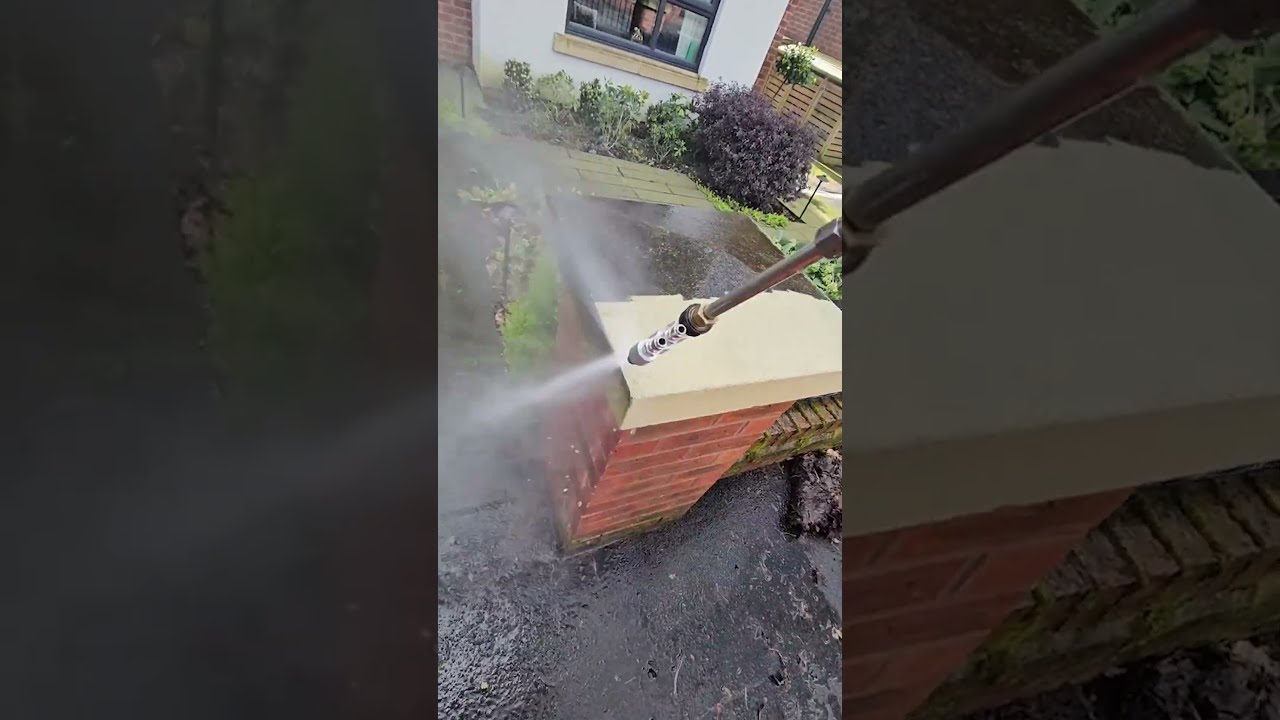
Similarly, standard high-pressure water blasting strips away the top micro-layer of the stone. This roughs up the smooth finish, creating microscopic fissures where airborne spores and coastal salt can lodge even deeper. Within just a few months, organic grime returns faster and thicker than before. The modern standard in 2026 focuses on chemical biocide treatments and low-pressure rinsing, often called soft washing, which protects the stone while eradicating contaminants at the root.
Safe and Effective Sandstone Cleaning Techniques
Restoring your outdoor stone does not require industrial force. By using the right products and measured application techniques, homeowners and property managers can achieve pristine results safely.
1. Targeted Soft Washing
Soft washing utilizes specialized, biodegradable cleaning agents applied at garden-hose pressure. These eco-friendly solutions penetrate deep into the porous network of the stone, neutralizing the root structures of lichen and mold spores. Once the solution breaks down the organic matter, it can be gently rinsed away without abrasive friction.

2. Low-Pressure Steam Cleaning
For sensitive historic masonry or delicate carved sandstone features, superheated low-pressure steam provides an exceptional clean. Operating under low pressure, the heat naturally melts away atmospheric grime, grease, and fungal growth without scratching or scouring the delicate face of the rock.
3. Mild Alkaline Washes and Manual Agitation
For routine surface touch-ups around entertaining areas and patios, a pH-neutral or mild alkaline stone cleaner works wonders. Combined with a soft to medium-stiff natural bristle brush, manual agitation lifts settled dust, garden soil, and light algae without scarring the stone.
Step-by-Step DIY Gentle Cleaning Process
If you are tackling light maintenance on a residential path or patio in the Shire, follow this gentle, stone-safe routine:
- Clear and Dry Sweep: Remove all loose debris, leaf litter, and dirt using a soft broom to prevent scratching the stone during wet cleaning.
- Pre-Wet the Stone and Surrounds: Saturate the sandstone and nearby garden beds with clean water. Pre-wetting prevents concentrated cleaners from soaking too deeply into dry stone pores and safeguards surrounding plants.
- Apply an Oxygen-Based or Specialized Stone Cleaner: Spread a diluted, stone-safe oxygen bleach or dedicated hospitality-grade biocide across the surface evenly.
- Gently Agitate: Work the solution into the surface using a soft broom or scrubbing brush. Avoid wire bristles, which leave behind microscopic metal fragments that cause rust stains in Sydney's damp air.
- Rinse Thoroughly with Low Pressure: Wash away the residue using a standard garden hose or a pressure washer dialed down strictly to low pressure (under 1,000 PSI) with a wide-angle fan tip.
Mistakes to Avoid When Cleaning Sandstone
Protecting your investment means knowing what substances and tools should never touch natural sedimentary stone. Steer clear of these damaging practices:

- Acid-Based Cleaners: Brick acid or muriatic acid will cause irreversible chemical burns and permanent discoloration on natural sandstone.
- Pencil-Jet Pressure Nozzles: Concentrated high-pressure streams gouge visible lines directly into the rock face.
- Household Chlorine Bleach: Standard bleach damages surrounding flora and often leaves behind chemical salts that crystallize inside the stone pores, causing microscopic fracturing.
- Applying Non-Breathable Sealers: Avoid topical membrane coatings that trap moisture beneath the surface, leading to efflorescence and stone spalling.
Long-Term Maintenance and Sealing
Once clean, protecting sandstone in coastal climates like Sutherland, Cronulla, and Caringbah involves managing moisture and salt intrusion. Modern, breathable penetrating sealers are the preferred solution in 2026. Unlike outdated film-forming sealers, penetrating silane-siloxane sealers sink into the rock, lining the pores without changing the stone's slip resistance, color, or natural breathability. This allows internal moisture to evaporate freely while repelling rain, pool splashes, and barbecue oil spills.
For heavily weathered heritage walls, large retaining structures, or persistent lichen infestations, engaging a certified local surface-restoration professional guarantees that your Sydney sandstone remains structurally sound, clean, and beautiful for decades to come.
Sutherland Shire Pressure Cleaning Pros
Unit 4/78 Bellingara Rd, Miranda NSW 2228
(02) 9541 8700